

Why Jamdani Fabric is So Expensive & Valuable
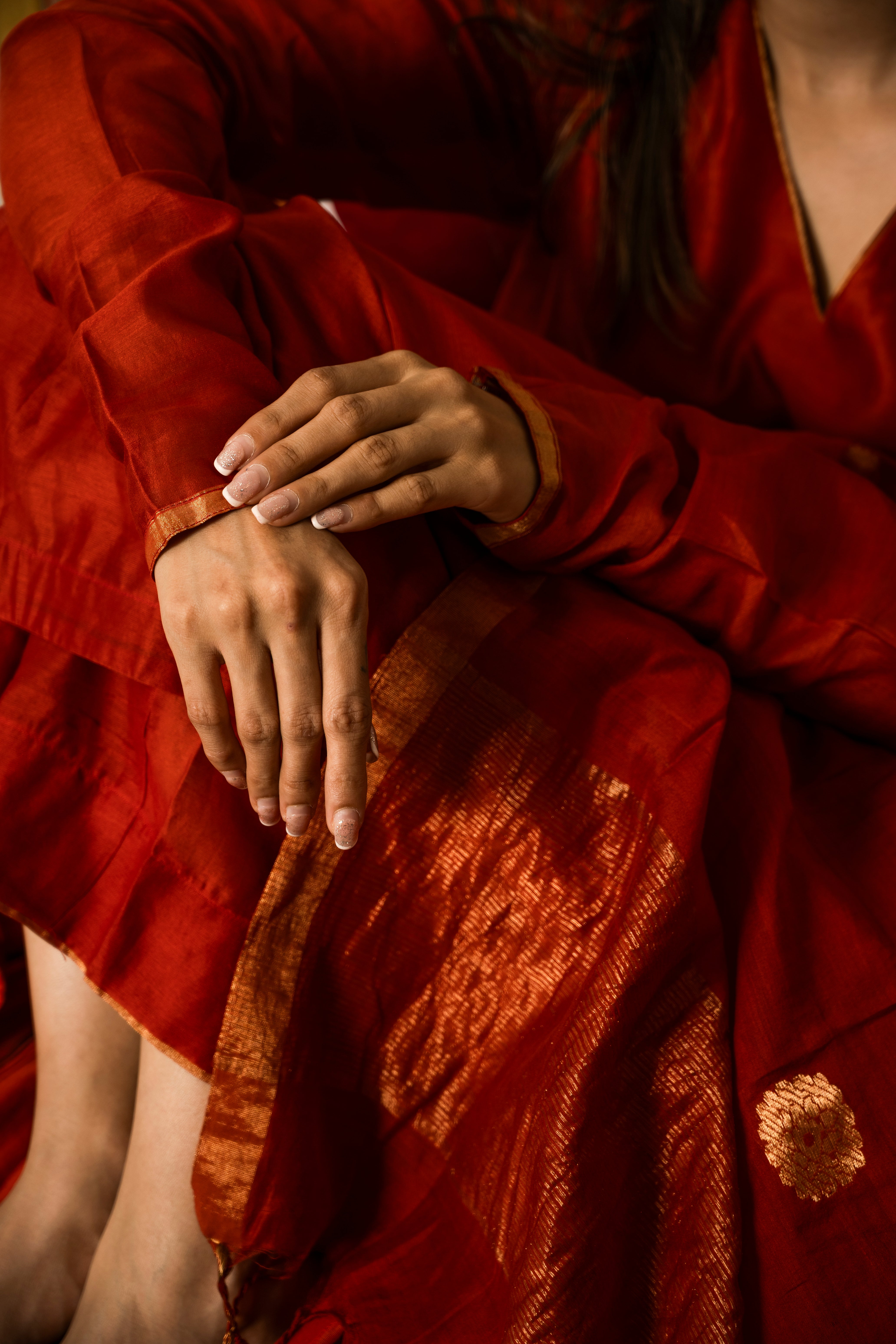
In the world of ethnic fashion, few textiles carry the timeless elegance and cultural richness of jamdani suits. Known for their delicate patterns and luxurious texture, jamdani fabrics are not just garments—they are a reflection of heritage, artistry, and craftsmanship.
As modern fashion shifts toward sustainability and authenticity, jamdani has re-emerged as a symbol of refined taste. However, one question remains: why is jamdani fabric so expensive? The answer lies in its history, intricate weaving process, and unmatched value.
What is jamdani fabric?
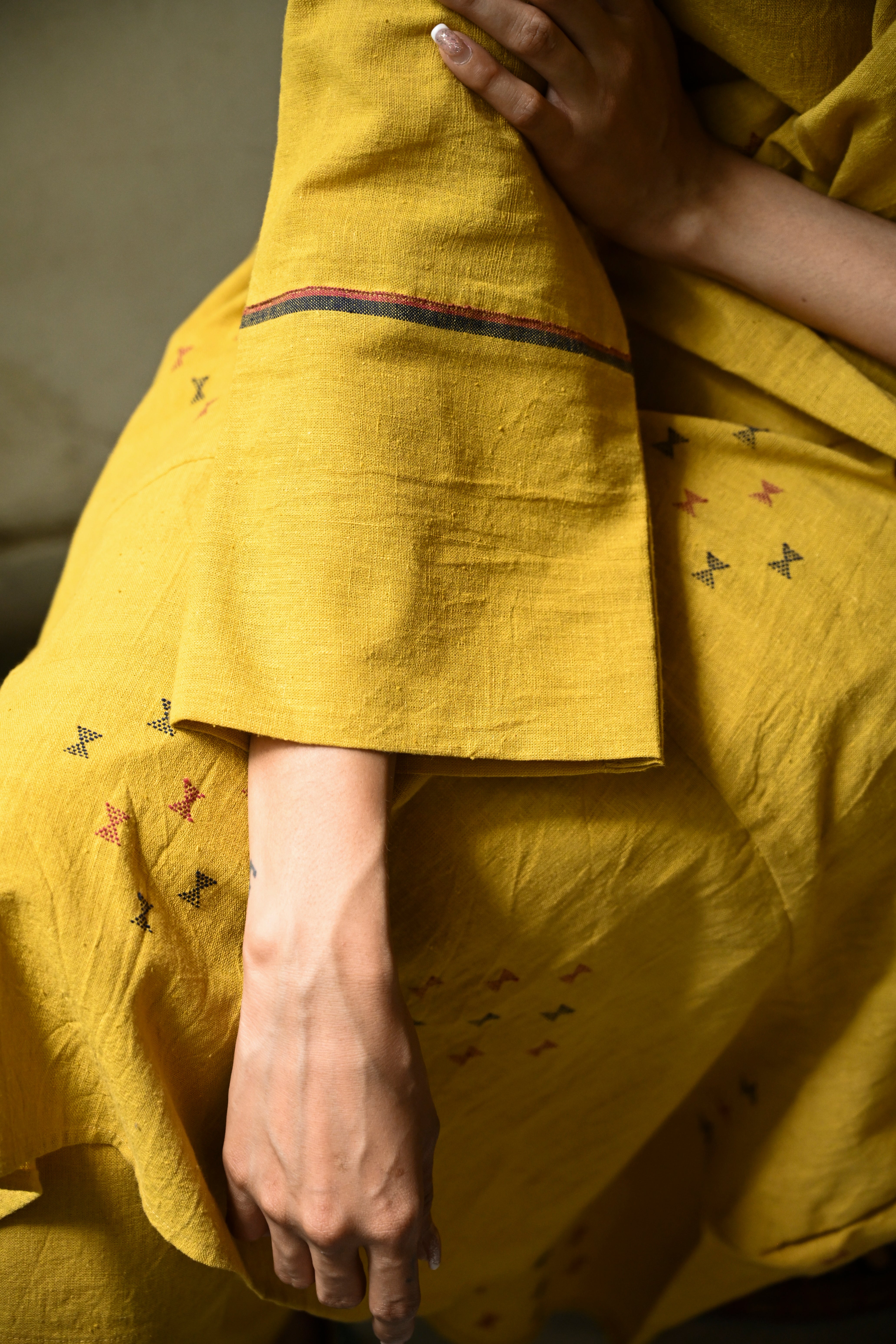
Jamdani is a traditional handwoven fabric, originally crafted using fine muslin cotton. What makes it unique is that its patterns are not printed or embroidered afterwards—they are woven directly into the fabric during the weaving process.
This technique creates a fabric that is both lightweight and highly detailed, making every jamdani suit one-of-a-kind.
The Rich Heritage Behind Jamdani
Jamdani has its roots in the Mughal era, where it was worn by royalty and admired for its artistic excellence. Originating from the Bengal region, it quickly became a symbol of luxury and prestige.
Today, jamdani is globally recognised and even listed as a UNESCO Intangible Cultural Heritage. Despite evolving fashion trends, it continues to maintain its traditional charm while adapting to modern styles like jamdani suits and kurta sets.
Why Jamdani Fabric is Expensive
The cost of jamdani fabric reflects the effort and craftsmanship involved in its creation. Unlike machine-made textiles, jamdani is entirely handwoven, requiring exceptional skill and patience.
- Crafted by skilled artisans with years of experience
- Time-intensive weaving process that can take days or weeks
- Premium natural fabrics like cotton, linen, and silk
- Each piece is unique and cannot be mass-produced
- Limited availability increases demand and exclusivity
These elements make jamdani not just a fabric but a luxury investment in ethnic wear.
The Art of Jamdani Weaving
The weaving process begins with preparing fine yarns and setting them on a traditional loom. Artisans manually insert threads to create intricate motifs that appear seamlessly within the fabric.
This process requires intense concentration and coordination, often taking several days or even weeks to complete a single piece.
Types of Jamdani Suits in Modern Fashion
Today, jamdani has evolved into various styles suitable for modern fashion while preserving its traditional essence.
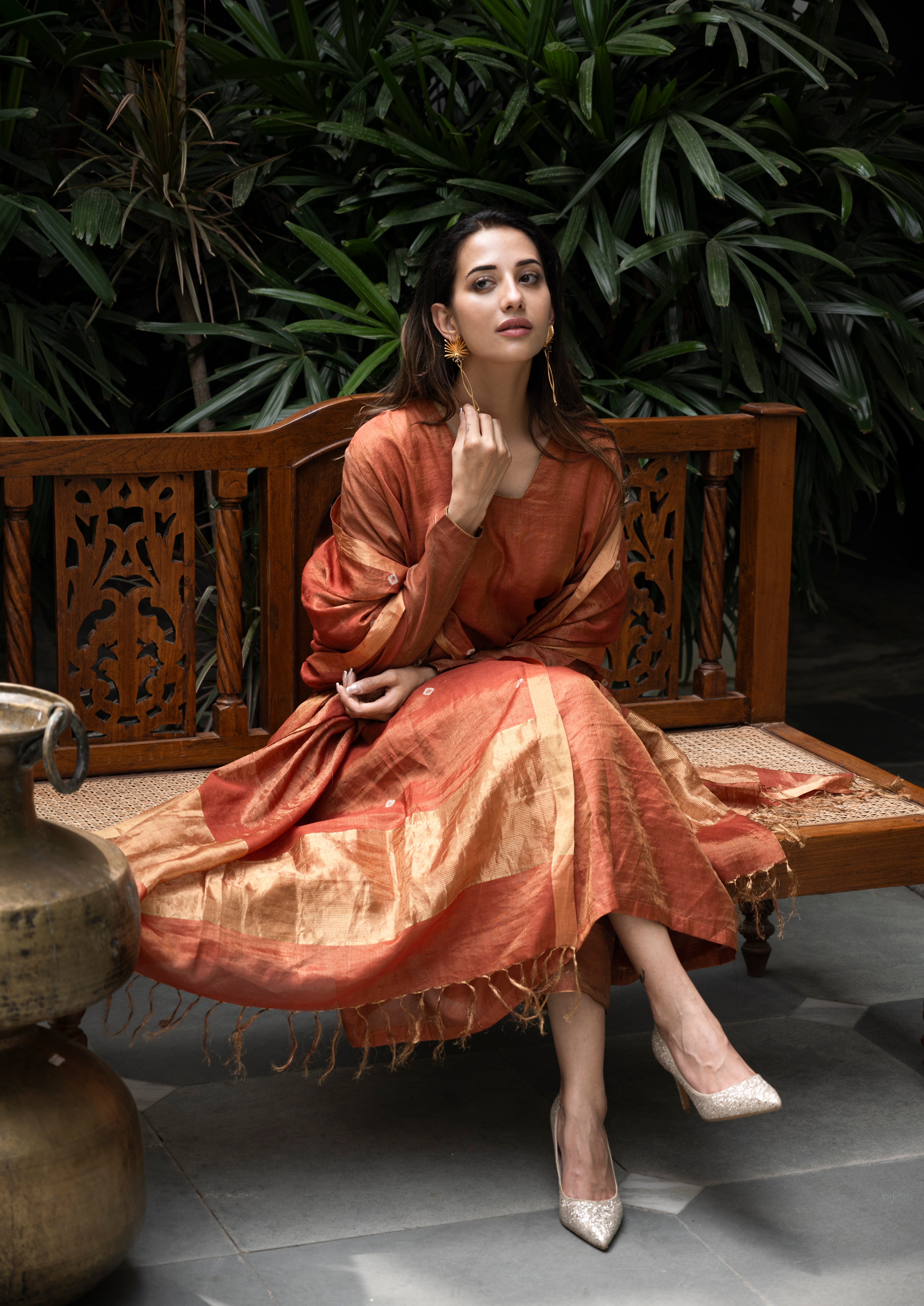
- Cotton Jamdani suits are ideal for daily wear
- Silk Jamdani suits for festive occasions
- Jamdani kurta sets for minimal styling
- Fusing Jamdani outfits with modern silhouettes
Benefits of Wearing Jamdani Suits
Jamdani suits offer a perfect blend of comfort and elegance, making them highly desirable.
- Lightweight and breathable for Indian weather
- Elegant appearance without heavy embellishments
- Durable and long-lasting fabric
- Eco-friendly and sustainable production
How to Identify Authentic Jamdani
With increasing demand, identifying genuine jamdani has become essential.
- Patterns are woven into the fabric, not printed
- Slight irregularities indicate handmade craftsmanship
- Soft yet textured feel
- The price reflects the handmade quality
Jamdani in 2026: A Symbol of Modern Luxury
In 2026, luxury fashion is defined by authenticity and craftsmanship rather than mass production. Jamdani perfectly fits this shift, offering garments that are meaningful, sustainable, and timeless.
Styling Jamdani Suits for Today
Styling jamdani suits is effortless, as the fabric itself stands out.
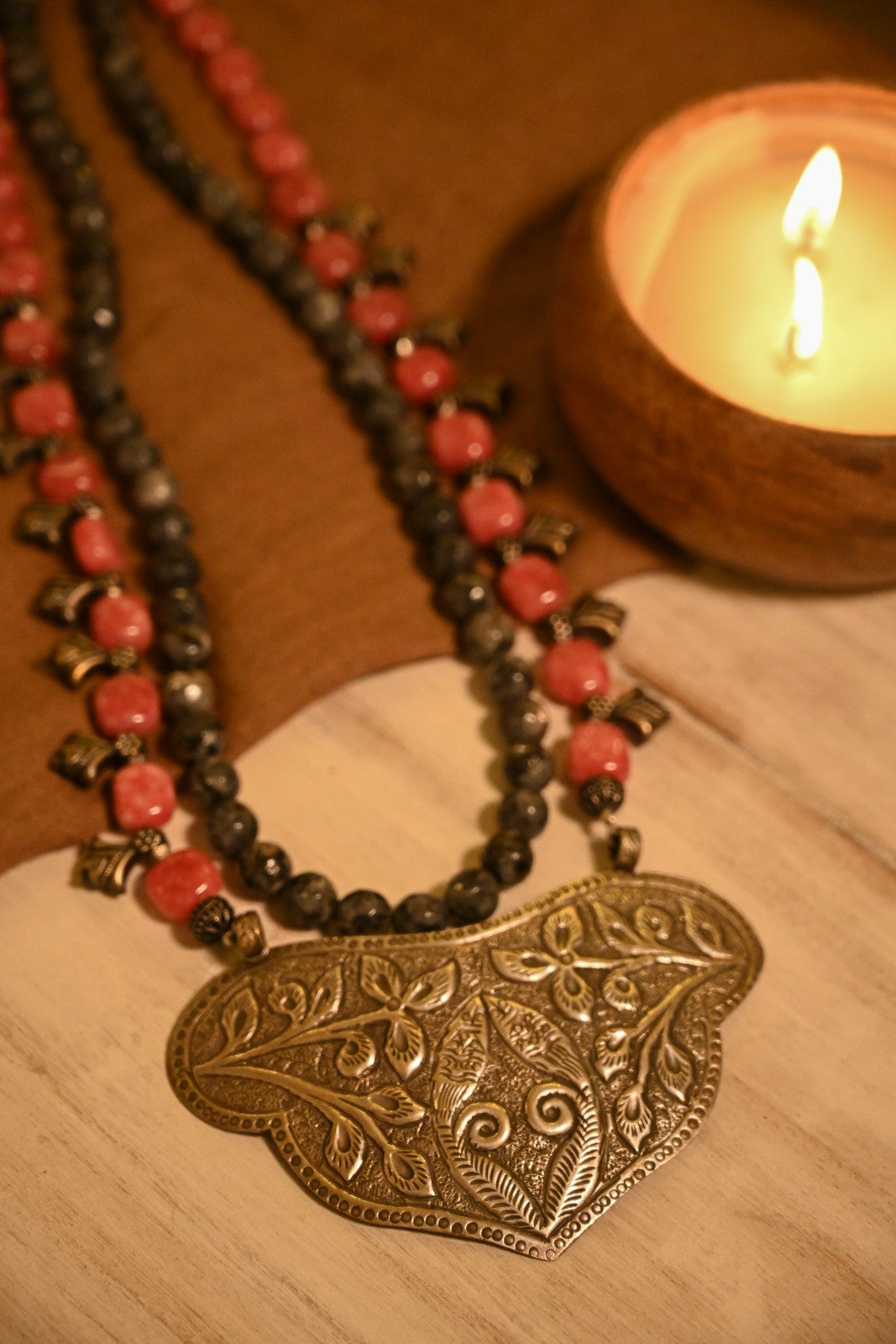
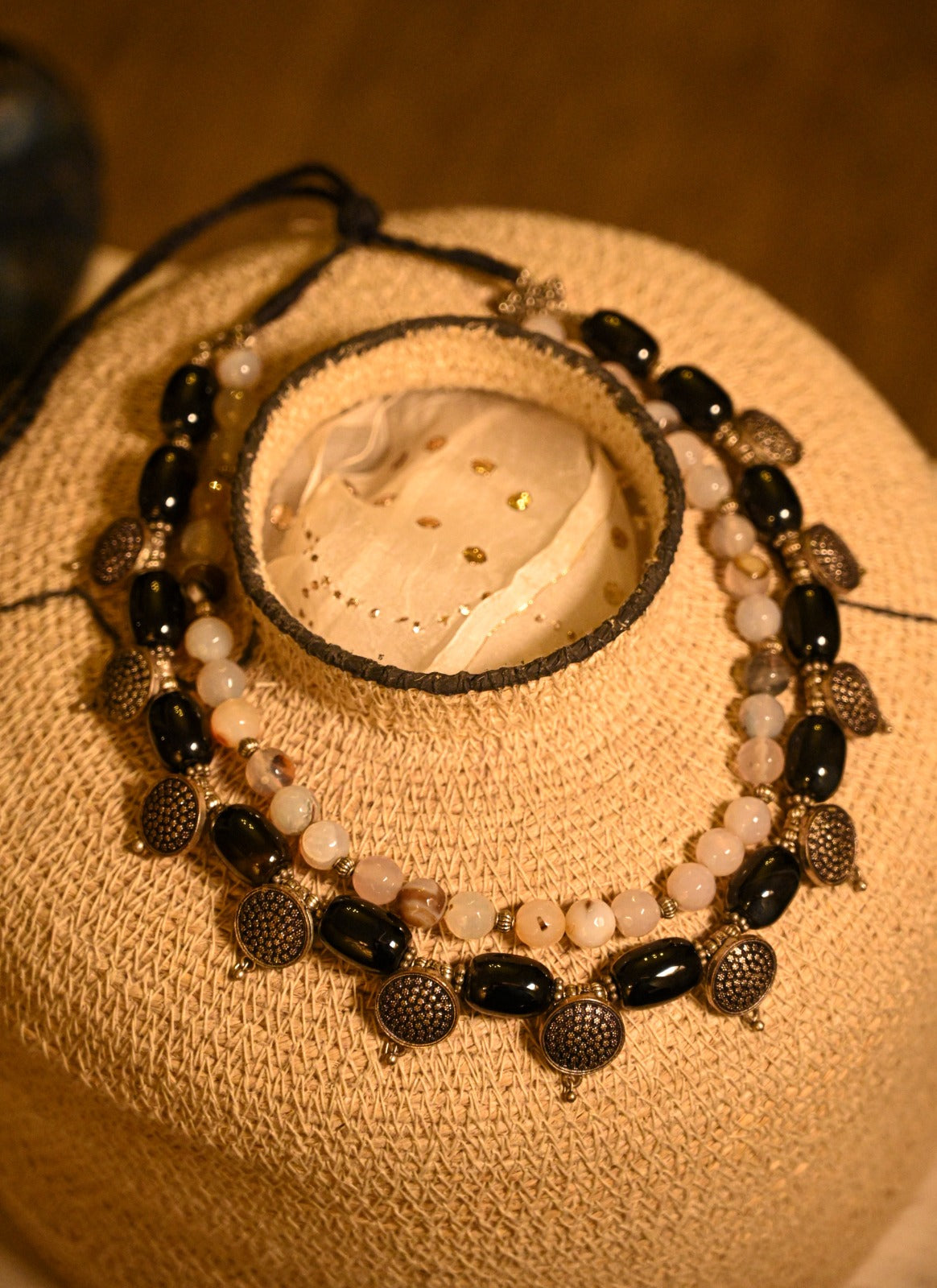
- Pair with minimal jewellery for everyday elegance
- Add statement accessories for festive looks
- Experiment with layering for fusion styling
Why Choose Jamdani from Radhas by Vandana
If you are looking for authentic and premium jamdani suits, Radhas by Vandana offers a curated collection that blends tradition with modern elegance.
- High-quality handwoven fabrics like jamdani, linen, and zari
- Contemporary silhouettes with traditional craftsmanship
- Comfort-driven luxury for everyday and festive wear
Choosing jamdani from Radhas by Vandana is more than just a fashion choice—it’s an investment in luxury designer ethnic wear for women that balances heritage craftsmanship with contemporary style.
Conclusion
Jamdani fabric stands apart not because of its price, but because of the value it represents. Every thread tells a story of tradition, patience, and artistry.
While it may come at a higher cost, jamdani offers uniqueness, durability, and cultural significance—making it truly worth the investment.
FAQs
Q1. Why are jamdani suits expensive?
They are handmade, time-intensive, and crafted using premium materials.
Q2. Are jamdani fabrics worth buying?
Yes, they offer durability, comfort, and timeless elegance.
Q3. How long does it take to make jamdani fabric?
It can take several days to weeks, depending on the design.
Q4. How do you identify original Jamdani?
Look for handwoven detailing, irregularities, and intricate patterns.
Q5. Can Jamdani suits be worn daily?
Yes, especially cotton jamdani suits are suitable for everyday wear.