
Top 10 Sustainable Ethnic Wear Trends in India (2026 Guide)
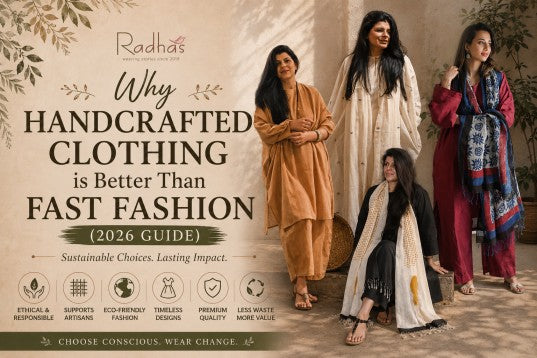
The Indian fashion industry is undergoing a powerful transformation in 2026. As awareness around environmental impact grows, more consumers are shifting from fast fashion to sustainable ethnic wear in India. Today’s buyers are not just looking for beautiful outfits—they want clothing that reflects ethical values, craftsmanship, and long-term quality.
From handwoven textiles to eco-friendly fabrics, sustainable fashion is redefining ethnic wear. In this guide, we explore the top 10 sustainable ethnic wear trends in India and how they are shaping the future of fashion.
What is Sustainable Ethnic Wear?
Sustainable ethnic wear refers to clothing that is designed, produced, and consumed in a way that minimises environmental impact while supporting ethical practices. In India, this includes garments made using handloom fabrics, natural dyes, and traditional weaving techniques.
- Quality over quantity
- Timeless designs over seasonal trends
- Ethical sourcing and fair wages
- Long-lasting materials
This approach aligns with the growing demand for luxury designer ethnic wear for women, where elegance meets responsibility.
Why Sustainable Ethnic Wear is Trending in 2026
Sustainable fashion in India is no longer just a trend—it’s a movement. Consumers are becoming more conscious of their choices and actively seeking alternatives to fast fashion.
Environmental awareness, demand for authentic craftsmanship, and the appeal of handmade garments are driving this shift. At the same time, fashion is evolving toward minimalist luxury, where quality matters more than quantity.
Brands like Radhas by Vandana are embracing this change by offering collections that combine tradition with modern elegance.
Top 10 Sustainable Ethnic Wear Trends in India (2026)
1. Revival of Handloom Fabrics
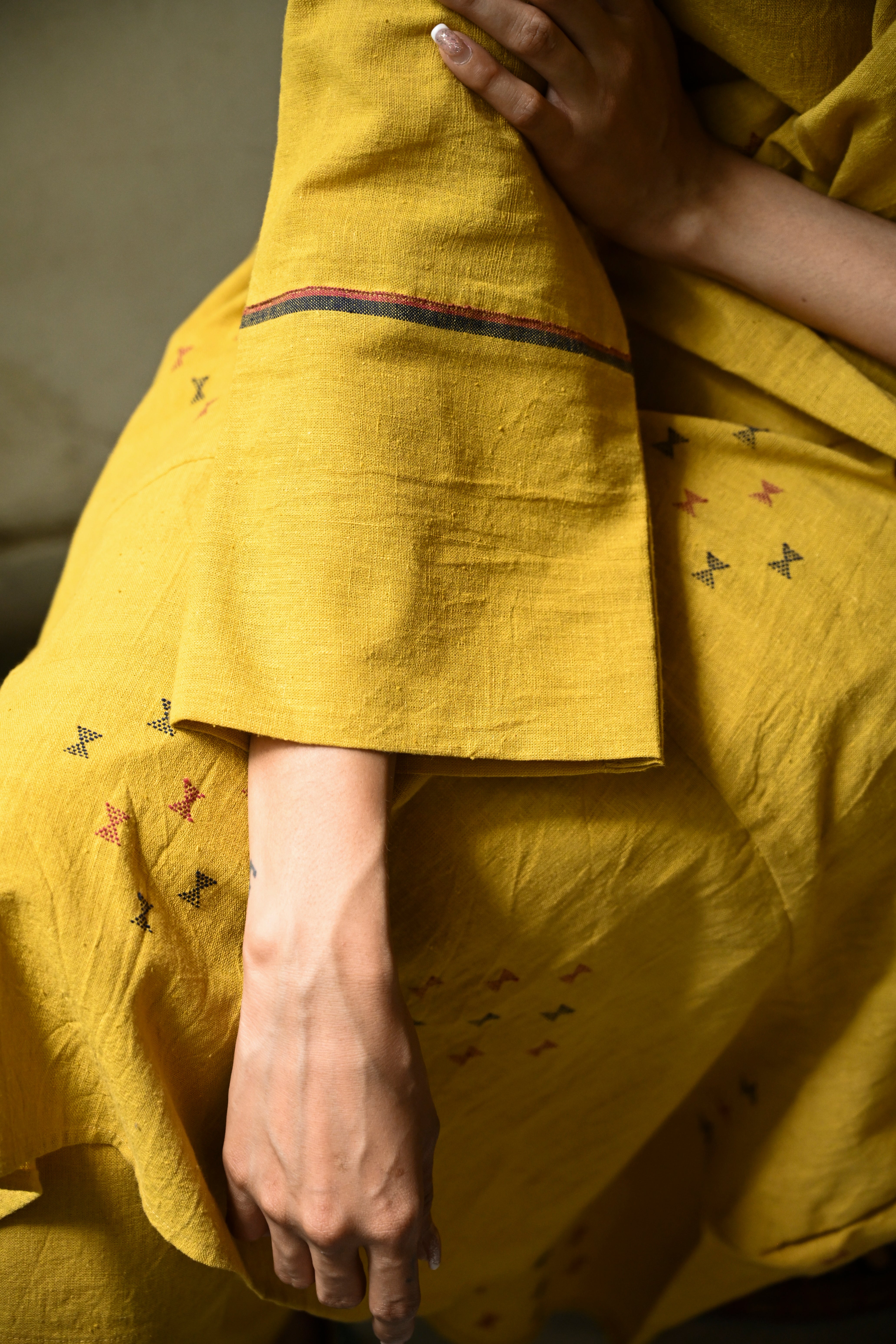
Handloom textiles such as jamdani, linen, and ikat are making a strong comeback. These fabrics are eco-friendly, handcrafted, and rich in cultural heritage.
2. Organic Cotton & Natural Fabrics
Organic cotton, linen, and khadi are popular for their comfort and sustainability.
- Breathable and skin-friendly
- Free from harmful chemicals
- Ideal for daily wear
3. Minimalist Luxury Ethnic Wear
Luxury in 2026 is defined by simplicity. Clean silhouettes and premium fabrics are driving the demand for luxury designer ethnic wear for women.
4. Slow Fashion Movement
Consumers are investing in fewer, high-quality garments instead of fast fashion.
- Mindful shopping
- Reduced waste
- Long-term value
5. Handmade & Artisanal Designs
Handcrafted garments support local artisans and offer unique, one-of-a-kind designs.
6. Eco-Friendly Dyeing Techniques
Natural dyes derived from plants and minerals are replacing chemical dyes, making production eco-friendly.
7. Fusion of Traditional & Modern Styles
Modern silhouettes using traditional fabrics are gaining popularity.
- Jamdani dresses
- Linen kurta sets
- Indo-western outfits
8. Multi-Use & Versatile Outfits
Outfits designed for multiple occasions are becoming essential.
- Casual styling
- Office wear
- Festive looks
9. Gender-Neutral Ethnic Fashion
Inclusive and oversized silhouettes are redefining comfort and style in ethnic fashion.
10. Ethical & Transparent Fashion Brands
Consumers prefer brands that prioritise sustainability and transparency. Radhas by Vandana stands out with its ethical production and handcrafted collections.
Benefits of Choosing Sustainable Ethnic Wear
Sustainable fashion offers long-term value by combining durability, comfort, and eco-conscious production.
- Reduces environmental impact
- Supports artisans
- Long-lasting quality
- Timeless style
How to Build a Sustainable Ethnic Wardrobe
Start with mindful choices—invest in quality pieces, choose natural fabrics, and opt for versatile designs that can be styled in multiple ways.
Why Choose Sustainable Fashion from Radhas by Vandana
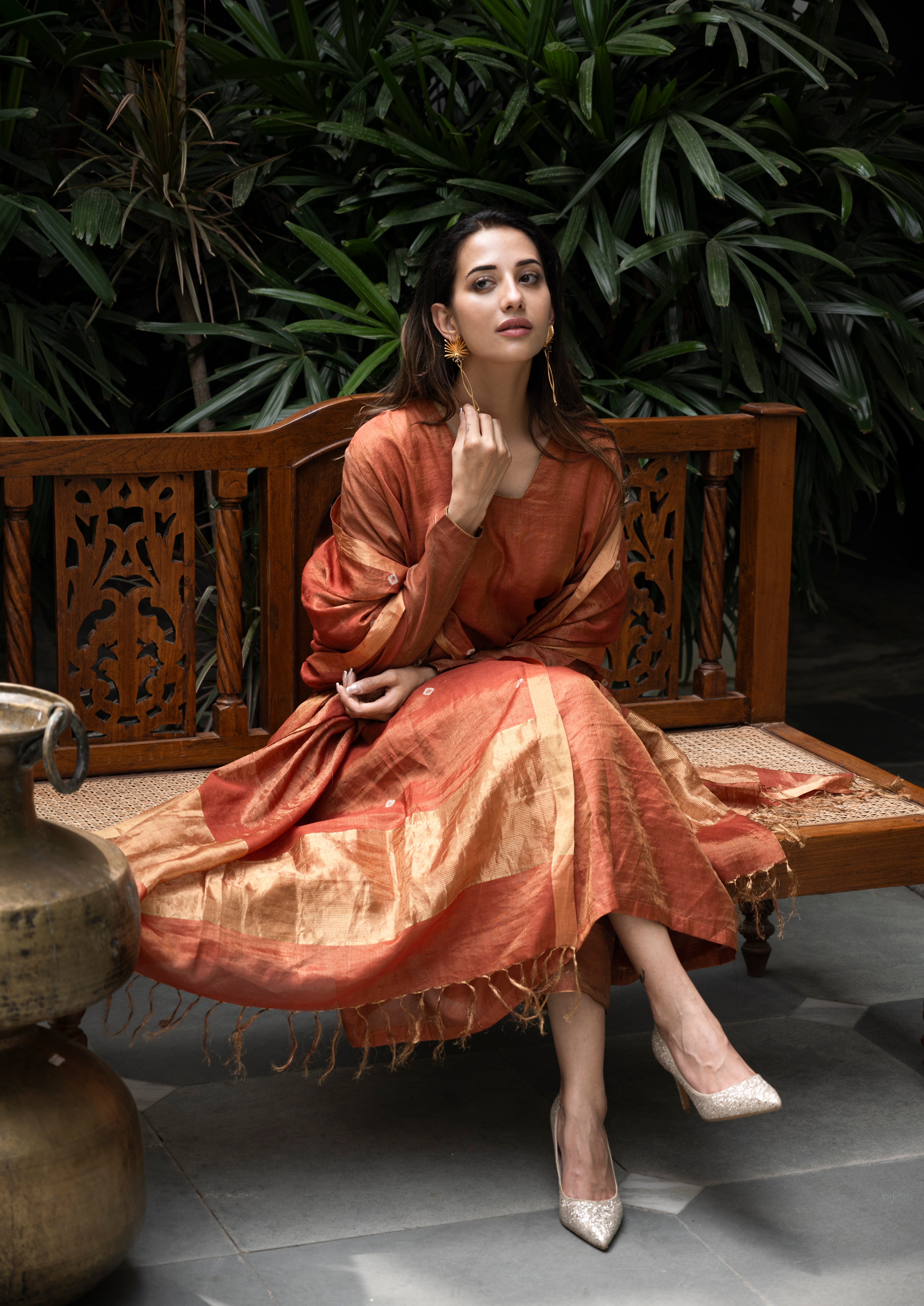
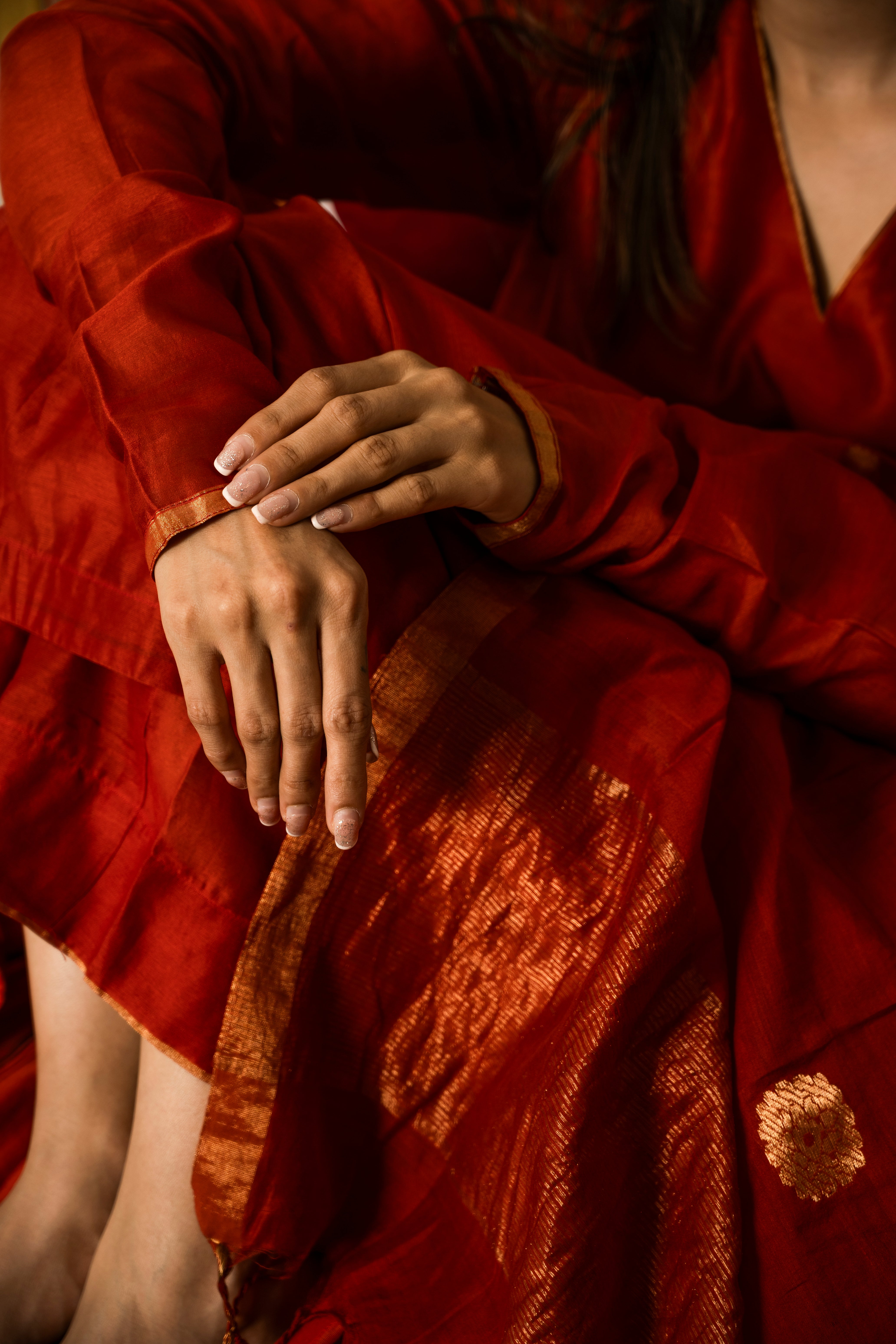
Radhas by Vandana offers premium collections crafted using handwoven fabrics like jamdani, linen, and zari.
Their designs reflect timeless elegance while embracing modern fashion. Choosing them means investing in luxury designer ethnic wear for women that is sustainable and stylish.
Future of Sustainable Ethnic Wear in India
The future of Indian fashion is rooted in sustainability. With increasing awareness and global demand, eco-friendly textiles and handloom fabrics will continue to grow.
Conclusion
The shift toward sustainable ethnic wear in India is a necessary evolution. Fashion in 2026 is about meaning, quality, and responsibility.
By embracing sustainable trends, you not only upgrade your wardrobe but also contribute to a better future.
FAQs
Q1. What is sustainable ethnic wear?
Clothing made using eco-friendly materials and ethical production methods.
Q2. Why is handloom fashion sustainable?
It uses less energy and supports artisan communities.
Q3. Are sustainable clothes expensive?
They cost more initially but offer long-term value.
Q4. Best fabrics for sustainable fashion?
Organic cotton, linen, khadi, and jamdani.
Q5. Which brands offer sustainable ethnic wear?
Brands like Radhas by Vandana focus on ethical and handcrafted fashion.